
Top Gate Automation and Access Control Systems for Residential Properties: What to Look For Before You Buy
Compare gate types, drive mechanisms, intercoms and safety standards before you buy. Learn what a well-specified residential gate system looks like.
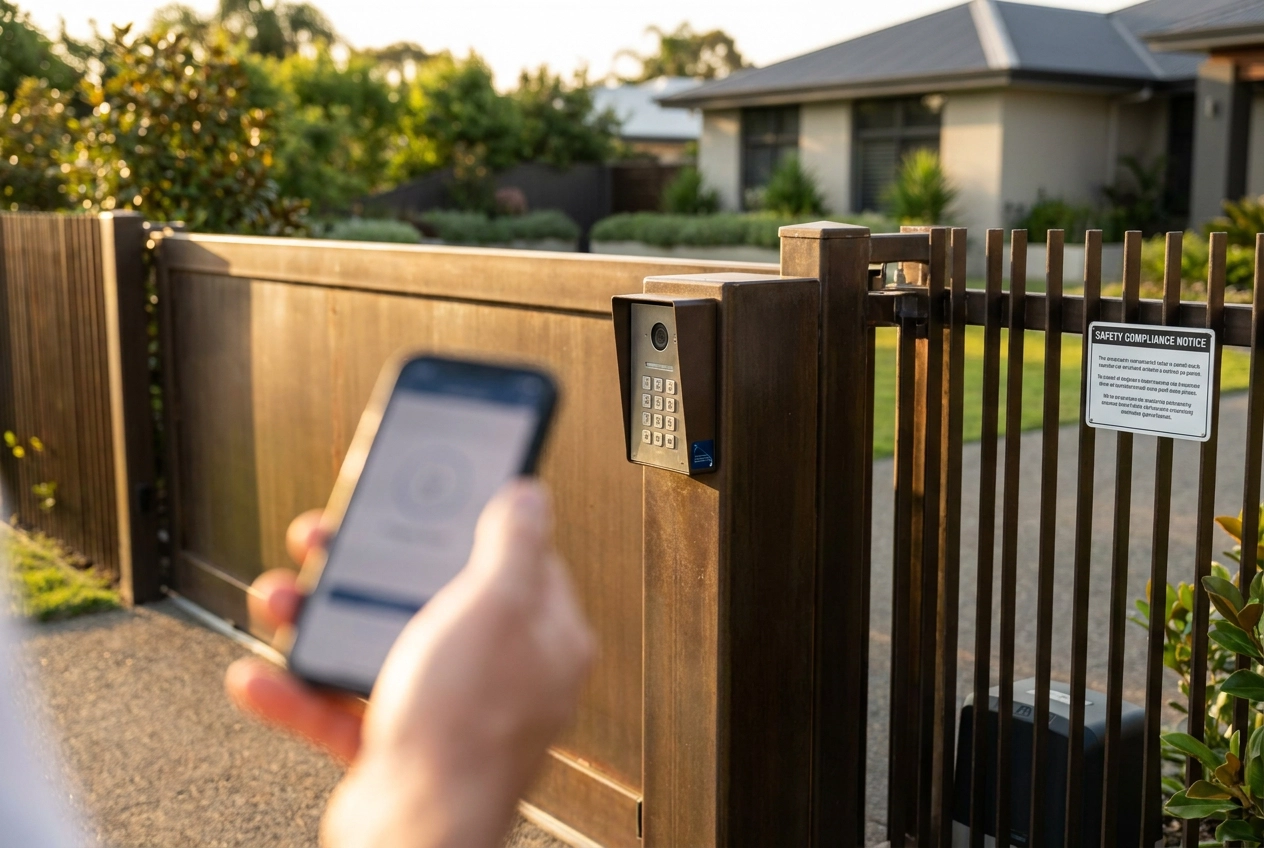
If you are searching for the best gate automation and access control system for your home, the honest answer is that there is no single winner. The right system depends on your gate, your entrance, how your household uses it, and the safety and power requirements that apply. This guide is designed for homeowners in East Sussex, West Sussex and Kent who want to ask better questions before requesting quotes from Portara Automation. Instead of offering a generic ranking, it explains how to compare residential gate systems with confidence.
You will learn why one size does not fit every property; how gate type and weight shape every later choice; how ram, articulated arm, underground and sliding operators differ; how intercoms and access control can match daily life; what BS EN 12453, risk assessments and compliance documents should prove; why professional installation and servicing matter as much as the equipment; and which questions to ask before you sign. By the end, you should have a clear shortlist and be ready to request accurate, like-for-like quotes.
Why There Is No Single Best Gate System for Every Home
If you search for the best gate automation, you will find rankings. They mislead. A system sized for a heavy timber driveway gate is rarely right for a light side gate. The answer depends on criteria, not a brand name. Gate leaf weight and width, gate type and travel, how often it is used, where power is available, and the environment and users around it all decide the specification. These variables matter more than any generic list.
Power-operated gates within reach of people are covered by BS EN 12453:2017 (and its current amendment). Compliance is the baseline, not the finish line. The HSE safety bulletin EPD1-2018 states the 2017 standards do not completely address the risks and calls for a site-specific risk assessment covering the environment and type of user.
A well-specified system, then, has five parts: the correct operator for the gate, a sound support structure, documented compliance, professional installation, and a servicing plan. Use this definition as your filter, and read our guide to key features to look for in an electric gate system while comparing quotes.
Gate Type and Weight: The Decision That Shapes Everything Else
Gate type comes first, because geometry decides what is possible. Swing gates pivot on hinges and need a clear opening arc, so the driveway must be free of obstruction across that sweep. Sliding gates travel along a track or cantilever arm and need lateral run-off room beside the opening. Driveway shape, slope and boundary layout usually settle which is realistic.
Leaf weight and leaf width then determine how much force the operator must deliver. The operator is selected from the gate's measured weight and dimensions, never the other way round. A quote that names a mechanism before measuring your gate is a warning sign. Our guide to gate types explained: sliding, swing and bi-fold covers how each style behaves in daily use.
Support structure is a safety matter, not a detail. Gate Safe warns that where a pier or post is not fit for purpose, a certain type of accident is inevitable. Existing masonry, timber posts, hinges and foundations deserve inspection first.
Ask for a site-specific assessment of the gate, hinges, posts and ground conditions before equipment is recommended, particularly when automating an existing manual gate.
Coastal and exposed sites across East Sussex, West Sussex and Kent accelerate corrosion, so finishes, galvanising and hardware grades should be specified for the environment.
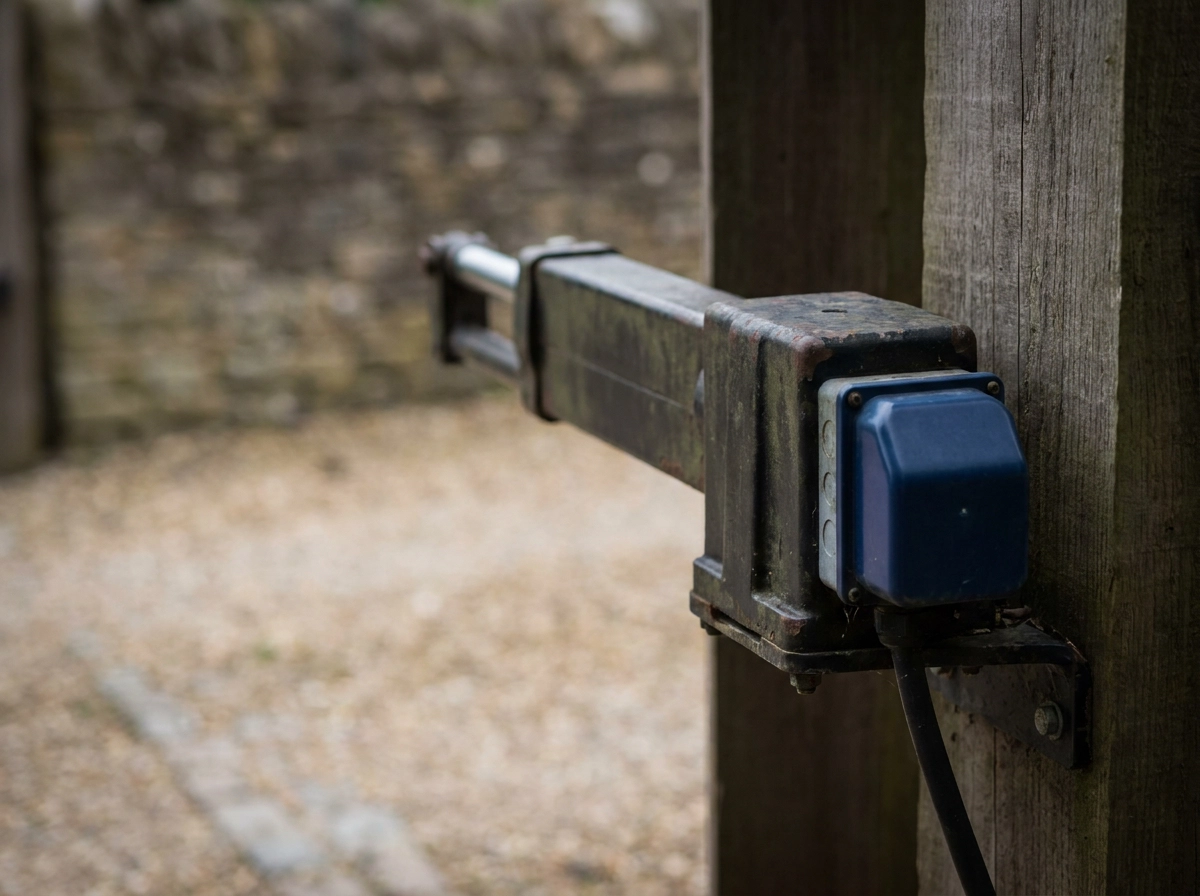
Drive Mechanisms Compared: Rams, Arms, Underground and Sliding Operators
With the gate type and measured leaf weight established, the next question is which mechanism does the work. Each suits different gates and each carries its own maintenance burden.
Mechanism
Gate type
Leaf weight and opening angle
Maintenance demand
Best for
Linear ram
Swing gates
Varies by manufacturer and gate geometry, confirm with installer
Moderate: actuators stay visible, need clearance and regular greasing
Heavy swing leaves that must open widely
Articulated arm
Swing gates
Varies by manufacturer and gate geometry, confirm with installer
Low to moderate: compact and tidy, few exposed parts
Standard driveways where a neat, unobtrusive fit matters
Underground
Swing gates
Varies by manufacturer and gate geometry, confirm with installer
Moderate to high: needs excavation and drainage, and reliability depends on installation quality
Clear driveways where appearance is the priority
Sliding
Sliding gates, tracked or cantilever
Not applicable, the leaf travels sideways
Moderate: track, rollers and run-off area must stay clear
Long, heavy leaves with a level run and space to slide
Treat this as a shortlist rather than a verdict. Confirm which row matches your measured gate with the installer. For a fuller explanation of how these openers differ, see our guide to the types of automatic gate openers.
Intercom and Access Control: Matching Entry Options to How You Live
With the right operator matched to your gate, the next decision is how people actually get through it. The realistic options are audio intercoms, video intercoms, keypads and PIN entry, fobs and tags, GSM intercoms that ring your mobile, and app-based control that logs visitors and gate activity. Most homes combine two or three: a video intercom for guests, a keypad for the cleaner, fobs for family cars. See our Access Control and Intercom Options for Electric Gates for a fuller comparison.
Wired systems are more dependable and suit new builds or projects where ducting can go in during groundworks. Wireless is quicker to retrofit, but it depends on signal strength and battery upkeep. Plan power and data to the gate post, intercom station and keypad early. Provision during building work is far cheaper than a later retrofit. Before buying, confirm that intercom and access control can be upgraded later and how they connect to the operator and any smart home system. Portara Automation designs these into bespoke gate systems rather than treating them as an afterthought. Think about household routine too: delivery drivers, children, elderly residents and regular trades all use the entry point differently, so one access method rarely suits everyone.
Power, Safety and Compliance: What a Proper Quote Should Prove
Power decisions come before equipment selection. A mains supply, low voltage system or solar assist each changes which operators are viable, how cables are routed and what the final cost will be. Settle this first: retrofitting a supply later is disruptive and costly.
As the risk assessment should already have established, confirm how force limitation is set and monitored: HSE bulletin EPD1-2018 asks for force limitation below the specified maximum, safety-function monitoring before each movement where technology allows, and detection of suspension failure on vertically moving doors.
Insist on a safe release method for power failure, and make sure every adult in the household knows how to use it, including where the key or release is stored.
Finally, ask for the paperwork at handover: a declaration of conformity and a user manual. If a quote references the superseded BS EN 12453:2001 instead of the current BS EN 12453:2017, ask why. For a fuller breakdown of the standards that apply to residential gates, see our guide to UK Safety Standards and Legal Compliance for Electric Gates. Documents alone do not make a gate safe; the next section covers installation and servicing.
Installation and Servicing: Why the Fitter Matters as Much as the Kit
A good operator only performs as well as the installation behind it. Fixings, foundations, alignment, force settings and control wiring are set by the installer, not the manufacturer. A weak pier or poor mounting can leave even quality equipment unsafe. Where a pier or post is not fit for purpose, remedial building work or newly fabricated steelwork is often needed before automation can proceed.
Verify competence independently instead of accepting a marketing claim. Gate Safe offers a postcode installer search and an accreditation check, so you can confirm credentials before you commit. Apply the same scrutiny when you choose an electric sliding gate installer.
A proper handover should cover how safety devices work, what to do if they fail, how the gate behaves in a power failure, and how the release system operates. Ask for the user manual and a demonstration.
Budget for servicing from day one. Regular inspection of hinges, rollers, tracks, force settings and safety devices keeps the gate safe and reliable.
Portara Automation designs, fabricates, installs, repairs and services gate systems across East Sussex, West Sussex and Kent, so structural and mechanical work is handled as one project.
Questions to Ask Before You Sign the Quote
Use this as a script when comparing quotes, and expect every answer in writing.
Gate and support structure. What measured leaf weight and width was the operator specified for? Our guide to what a professional quote should include explains what else belongs in writing.
Drive mechanism. Which operator type is proposed, why is it the right match for my gate, and what annual maintenance will it need?
Safety and compliance. What does the site-specific risk assessment conclude? How is force limitation set and monitored before each movement? Does the documentation reference BS EN 12453:2017 rather than the superseded 2001 edition? Confirm the current edition with your installer.
Power and emergency release. Where does the supply come from? How is the gate isolated for maintenance? Exactly how does the manual release work in a power cut, and who will be shown how to use it?
Access control, handover and aftercare. What intercom or access control is included, wired or wireless? What training and user manual will I receive? What servicing plan is offered?
Compare answers like for like. Vague replies are a warning sign.
Frequently Asked Questions About Residential Gate Automation
Here are the questions homeowners ask most often.
Is gate automation safe around children and pets?
Yes, if it is specified for your site. A risk assessment should cover the type of user, including children and animals. Force settings below the permitted maximum, plus photocells and edge sensors that stop or reverse movement, reduce the chance of contact injuries.
Can my existing manual gate be automated?
Usually, but only after inspection. Suitability depends on measured leaf weight and width, gate condition, and whether the piers, posts, hinges and foundations are fit for purpose. An assessment should come before equipment is specified, as explained in Manual or Automated? Understanding Your Gate Drive Options.
What drives the cost of gate automation?
The main factors are gate weight and type, operator mechanism, power supply and cable runs, groundworks, access control and finish. Each affects specification, so quotes vary between properties.
What happens if the power fails?
Every automated gate should have a manual release, operated by key or handle. It must be reachable, and handover training should show every adult how to use it safely.
How often should an automated gate be serviced?
Frequency depends on usage and environment. Expect any maintenance agreement to include regular inspection of safety devices, hinges, rollers and force settings.
Conclusion: Turning a Shortlist Into a Confident Quote Request
With those questions answered, you are ready to shortlist with confidence. Judge every quote against criteria rather than brand names: measured gate weight and type, the drive mechanism proposed, access control integration, power provision, safety documentation and installer competence. A low price means little if the operator was matched to an estimated weight rather than a measured one.
Before you commit, request the site-specific risk assessment, the declaration of conformity and the user manual. If a quote cites the superseded BS EN 12453:2001, ask why, and verify their credentials as described above.
Collect more than one quote and compare them like for like using the questions above. For a system scoped to your property in East Sussex, West Sussex or Kent, contact Portara Automation.